Landscaping in Queen Creek presents a unique set of challenges and opportunities. With its distinctive climate, soil types, and native flora, residents can create stunning outdoor spaces that thrive throughout the year. Seasonal changes significantly influence gardening practices, making it essential to adapt your landscaping strategies accordingly. By understanding these seasonal nuances, you can cultivate a garden that not only looks beautiful but also flourishes sustainably.
Understanding Queen Creek’s Climate
Queen Creek enjoys a semi-arid climate characterized by hot summers and mild winters. This means that landscaping choices should reflect both the heat tolerance needed for summer months and the cold hardiness required in winter. The growing season typically spans from late March through early November, with the hottest months being June through August when temperatures often soar above 100 degrees Fahrenheit.
The region receives limited rainfall, averaging around 10 inches annually, primarily during the monsoon season from July to September. These climatic factors necessitate careful planning regarding irrigation systems, plant selection, and seasonal maintenance.
Spring: Preparing for Growth
As spring approaches, it's time to prepare your garden for growth following a dormant winter period. This is an ideal time for planting new flowers, trees, and shrubs that will bloom in the warmer months. Begin by assessing your garden's health; remove any dead or diseased plants to make way for new growth.
Consider incorporating native plants like desert marigold and red yucca into your landscape design. These plants are adapted to local conditions, requiring less water and maintenance while offering vibrant colors and textures to your garden. Spring is also an excellent time to lay mulch around existing plants. Mulch helps retain moisture in the soil while suppressing weed growth.
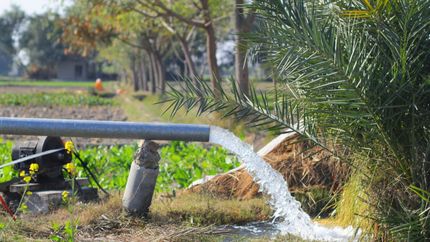
Another important task during this season is preparing your irrigation system for the hotter months ahead. Check for leaks or clogs in hoses or drip systems and ensure everything is functioning well before summer stress sets in. Drip irrigation is particularly effective in Queen Creek as it delivers water directly to plant roots, minimizing evaporation.
Summer: Managing Heat Stress
During the peak of summer, maintaining your landscape becomes paramount as heat stress can severely impact plant health. Watering early in the morning or late in the evening minimizes evaporation loss and ensures that plants receive adequate moisture during their most critical times.
Consider using shade cloths or strategic plant placement to protect more vulnerable species from intense sunlight. Trees like mesquite or palo verde not only provide shade but also enhance biodiversity by attracting pollinators such as bees and butterflies.
Regular pruning during summer can help maintain healthy plants by removing spent blooms and encouraging new growth. Be cautious not to over-prune as this could expose plants to sunburn or disease.
Additionally, consider implementing xeriscaping principles during this season. This method involves designing landscapes that require minimal irrigation by using drought-tolerant plants along with thoughtful layout strategies like grouping plants with similar water needs together.
Fall: Planting Season
As temperatures begin to cool down in fall, it marks one of https://simonychp278.huicopper.com/understanding-the-importance-of-irrigation-systems-for-successful-landscapes the best times for planting new trees and shrubs in Queen Creek gardens. The milder Landscaper weather helps young plants establish roots before winter sets in.
Fall is also an excellent time for overseeding lawns with cool-season grasses like fescue or ryegrass. This practice ensures a lush green lawn through cooler months while allowing warm-season grasses like Bermuda grass a chance to thrive when temperatures rise again next spring.
In preparation for winter dormancy, take steps to protect sensitive perennials by mulching them well before frost arrives. Mulch acts as insulation against temperature fluctuations and retains moisture within the soil during dryer months.
Don’t forget about fall clean-up as well; clear away fallen leaves and debris which may harbor pests or diseases over winter if left unchecked.
Winter: Protecting Your Landscape
While winter might be seen as a dormant phase for many gardens, it still requires attention — especially when it comes to protecting delicate plants from potential frost damage brought on by colder nights.
Wrap young trees with burlap or protective wraps designed specifically for frost protection if temperatures are predicted to drop significantly below freezing. For perennials that cannot withstand colder conditions without assistance, consider moving them indoors until spring returns.
Winter is also an excellent opportunity for planning future landscaping projects without pressure from growing seasons — sketch out designs based on observations made throughout previous seasons so you will be ready when planting season returns.
Utilizing this downtime wisely allows you not only to refresh tired garden areas but embrace new trends emerging within landscape design — perhaps adding decorative elements such as rock features or pathways that enhance visual interest year-round while remaining functional amidst changing climates.
Final Thoughts on Seasonal Landscaping
Successfully navigating seasonal changes when landscaping in Queen Creek involves understanding how each season affects plant life while adapting care routines accordingly. By aligning your gardening practices with nature’s cycles—planting appropriate species at optimal times—gardens flourish beautifully all year long with minimal stress on resources such as water or energy consumed through heating systems due ineffective protective measures taken during colder months ahead.
With these seasonal tips at hand — whether working alongside professionals like Blossom & Oak Landscaping or embarking on DIY projects — you can cultivate an outdoor haven that reflects both personal style and sustainability values intrinsic within our shared environment here in sunny Arizona!